Introduction to SEO
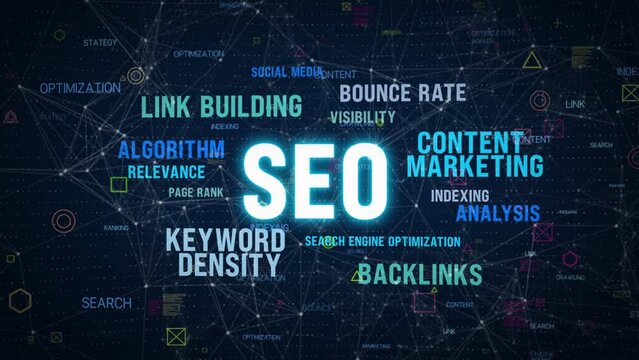
SEO (Search Engine Optimization) is the process of improving your website to increase its visibility when people search for products, services, or information related to your business on search engines like Google, Bing, and Yahoo. The better visibility your pages have in search results, the more likely you are to attract attention and potential customers.
Why is SEO Important?
1. Increases Organic Traffic
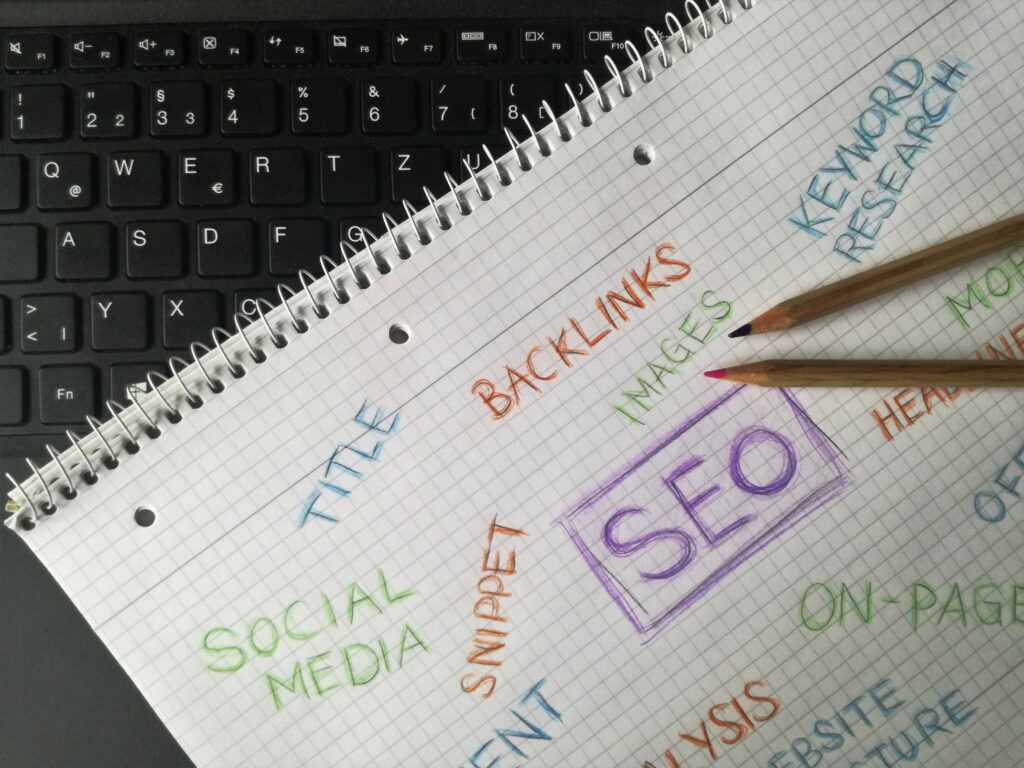
SEO helps your website rank higher in search engine results pages (SERPs). Higher rankings mean more visibility, which leads to more clicks and organic traffic. Unlike paid ads, organic traffic is free and sustainable over time.
2. Builds Trust and Credibility
Websites that appear on the first page of search results are generally perceived as more trustworthy and credible. By optimizing your site for SEO, you signal to search engines that your content is valuable and relevant, which builds trust with your audience.
3. Enhances User Experience
SEO isn’t just about search engines—it’s also about improving user experience. A well-optimized website is easy to navigate, loads quickly, and provides valuable content, all of which contribute to a positive user experience.
4. Cost-Effective Marketing
Compared to traditional advertising, SEO is a cost-effective way to reach your target audience. Once your website ranks well, you can attract consistent traffic without ongoing ad spend.
5. Supports Business Growth
SEO helps you reach potential customers at every stage of the buying journey. By targeting relevant keywords and providing useful content, you can attract leads, nurture them, and convert them into paying customers.
How Does SEO Work?
On-Page SEO
On-page SEO involves optimizing individual web pages to rank higher and earn more relevant traffic. This includes:
- Keyword optimization: Using relevant keywords naturally in your content.
- Meta tags: Writing compelling meta titles and descriptions.
- Content quality: Creating informative, engaging, and original content.
- Internal linking: Linking to other pages on your website to improve navigation and SEO.
Off-Page SEO
Off-page SEO refers to actions taken outside of your own website to impact your rankings. This includes:
- Backlinks: Earning links from other reputable websites.
- Social media: Promoting your content on social platforms.
- Online reputation: Managing reviews and mentions of your brand.
Technical SEO
Technical SEO ensures your website meets the technical requirements of search engines. This includes:
- Site speed: Optimizing your website to load quickly.
- Mobile-friendliness: Ensuring your site is accessible on all devices.
- Structured data: Using schema markup to help search engines understand your content.
Conclusion
SEO is a powerful tool for increasing your online visibility, driving organic traffic, and growing your business. By focusing on on-page, off-page, and technical SEO, you can improve your search engine rankings and attract more potential customers.
Common SEO Mistakes to Avoid
- Keyword stuffing: Overusing keywords can harm your rankings.
- Ignoring mobile users: Over 60% of searches come from mobile devices.
- Neglecting local SEO: If you have a physical store, optimize for local searches.
Final Notes:
- Use your focus keyword (SEO) naturally throughout the article.
- Include internal links to related content on your website.
- Optimize images with alt text and descriptive file names.
- Regularly update your content to keep it fresh and relevant.
FAQs About SEO
Q: How long does it take to see SEO results? A: SEO is a long-term strategy. It can take 3-6 months to see significant improvements, but the results are worth the wait.
Q: Can I do SEO myself, or should I hire an expert? A: You can start with basic SEO yourself, but for advanced strategies, consider hiring an SEO specialist.
Q: Is SEO only for big businesses? A: No! SEO benefits businesses of all sizes, including small local shops and personal blogs.